By Peyton Restauri, Intern • Office of Communication, Education & Outreach
What is the role of a judge beyond the bench and gavel? When a person envisions a judge, the first image that springs to mind might be a solitary figure in a black robe, presiding over a courtroom and issuing decisive rulings. While that representation fits part of the job, it falls short of depicting the many roles that judges play—especially in smaller Hoosier communities, where the person on the bench may also be a neighbor, a mentor, or an advocate for civic betterment. In the Indiana Graduate Judges Program, judges are recognized for their impact in both their courtrooms and their communities.
Graduate program
The Graduate Judges Program is a two‑year course of study that immerses its participants in a discussion-driven environment with close collaboration among faculty and peers. Each class consists of 30 experienced judges, who complete one intensive week of coursework held each June for two consecutive years and engage in additional learning activities between sessions.
Since its inception in 1996 under then Chief Justice Randall Shepard, more than 300 judges have graduated from the program by completing the curriculum of lectures, seminars, and collaborative problem‑solving exercises. Now, almost 30 years later, participants in the program have been called upon to take part in a new component of the program—civic outreach. They are participating in civic outreach by completing an additional community-focused service project within the curriculum.
The service requirement will apply to future classes of the graduate program. However, the three most recent cohorts have also designed and completed their own civic service projects in partnership with community organizations. In doing so, they piloted the very change the program is now embracing and carried their learning back to the communities they serve.
Civic outreach
Each cohort of the graduate program has approached their civic outreach challenge in a unique way.
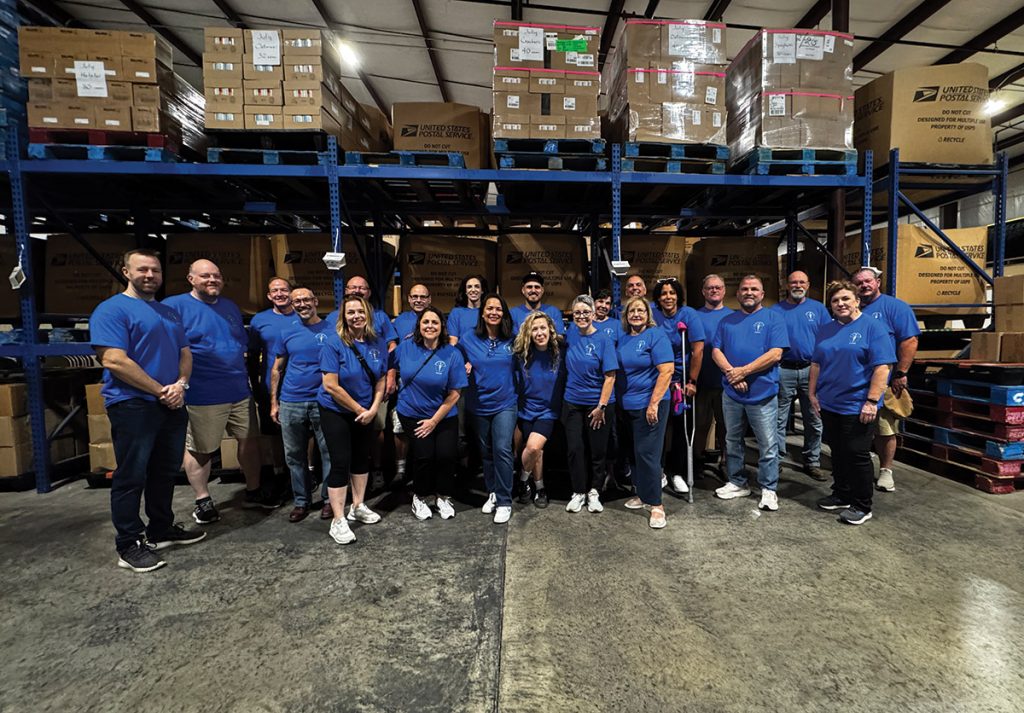
In September, the class of 2025 dedicated their time to packing food for a food pantry in Allen County before attending a conference. In the same month, the 2018 cohort organized a clothing drive for a nonprofit that provides training, employment, and vocational direction to previously incarcerated individuals.
The 2023 cohort chose to complete individual service projects, which included caring for shelter animals at the Humane Society, participating in a back-to-school “Stuff a Backpack” project, community clean-up projects, and elder care initiatives. Although this cohort was asked to complete only two hours of individual service, many judges contributed more than ten additional hours each, for a total of well over 100 hours donated.
Choosing causes that were personally meaningful allowed judges to show up as neighbors working alongside the people they serve, and that visibility matters. When community members see judges stocking food shelves, supporting reentry programs, or caring for shared public spaces—it helps humanize the courts and build a sense that the justice system is invested in everyday life.
“ Judges face something new or unfamiliar in their courtrooms every day.”
—Senior Judge Margret Robb
Graduate Program Committee Chair
Raising the bar on education
Graduate program committee chair, Judge Margret Robb, called the new service curriculum a “spontaneous growth.” While civic engagement is a requirement, each cohort chooses whether to complete it as a group or individually, and each cohort or individual chooses the project. “It’s not structured, and that’s intentional;” Robb said, “students can decide how they want to engage.”
This is all part of the broader intention of the program to separate experienced judges from the daily events of their own courts and immerse them into subject areas with which they may be less familiar. Topics of the graduate program lectures and classes are wide-ranging, and have spanned a variety of family, constitutional, environmental, and economic legal subjects thus far.
“Judges face something new or unfamiliar in their courtrooms every day,” according to Judge Robb. “The variety in the curriculum helps to expose them to all types of unexpected issues that they may run into day-to-day.” Similarly, providing judges with opportunities for community-focused service while encouraging them to step outside the courtroom allows graduate program judges to take an active role in understanding social issues that may arise in their courts.
As each future cohort designs and completes their own service projects, more judges will leave with concrete tools and skills they can apply to the specific needs of their own counties. By encouraging judges to participate in civic outreach, the Graduate Judges Program equips them to carry new partnerships, insights, and approaches back to their communities. The result is a judiciary with a strong connection to those it exists to serve.